
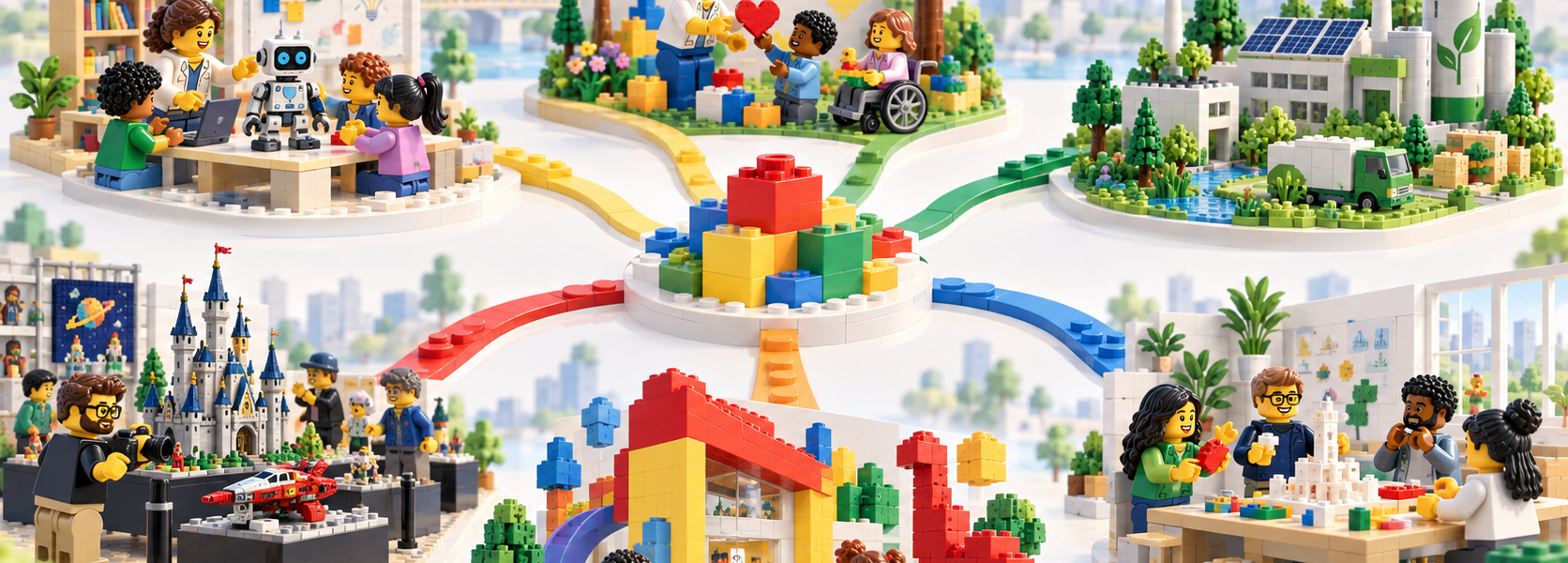
LEGO Is Much More Than a Toy Company. We’re Starting a New Series

LEGO is best known for the thing you can hold in your hands: a box, an instruction book and a pile of bricks waiting to become something.
That is the public face of the brand. Look beyond the product shelves, however, and the picture becomes much broader.
There are education programs, social initiatives, partnerships with schools and international organizations, work around digital child safety, accessibility, reuse, sustainability, robotics, fan communities and projects that sit far outside the normal cycle of releasing and selling sets.
There are also different organizations that are often casually grouped together under the word “LEGO” even though they do not all serve the same role. The LEGO Group, the LEGO Foundation, LEGO Education, LEGO House and LEGOLAND sit within a wider brand ecosystem, but they have different structures, responsibilities and goals.
That is why we are starting a new series
This will not be a list of “50 things LEGO does besides making toys.” That would be easy to compile, but it would tell readers very little.
Instead, each part of the series will focus on a larger area or a specific initiative and explain it properly: who runs it, where it operates, why it was created, how it is funded, who it is meant to help and what measurable impact it has.
Future parts will cover areas such as education and robotics, the LEGO Foundation, community programs, child protection, sustainability, fan engagement, reuse programs, LEGO House, supply-chain responsibility and even the use of bricks in business workshops and strategy sessions.
Not everything belongs to the same company
This will be one of the most important rules of the series.
Not every initiative associated with the LEGO name is run directly by the LEGO Group. Some programs belong to the LEGO Foundation, others to LEGO Education, and many are delivered with schools, nonprofits, community organizations or external partners.
For each topic, we will make that distinction clear. The goal is to avoid treating the commercial company, the foundation and partner-led initiatives as if they were one legal or operational entity.
What we will try to answer
Each article will work through a similar set of questions:
- What is the initiative, and who actually runs it?
- When and why did it begin?
- Where does it operate, and who is it for?
- What does it look like in practice?
- How large is it, and what results are reported?
- Who are the key partners?
- What appears to be working?
- What are the limits, criticisms or unresolved questions?
- Why is LEGO involved in this area at all?
The aim is simple: by the end of each article, readers should understand not just the name of a program, but what it actually does and why it exists.
We will separate claims from outcomes
Not every topic will be a straightforward success story.
Environmental work needs to be examined beyond marketing language. Social programs need context around reach, implementation and partners. Education initiatives should be judged by how they function in real classrooms, not only by how they are described in corporate material.
The same applies to fan engagement, child safety, technology and supply chains. We want to look at both the stated goals and the evidence of what happens in practice.
LEGO beyond the box
This series will therefore look behind the product.
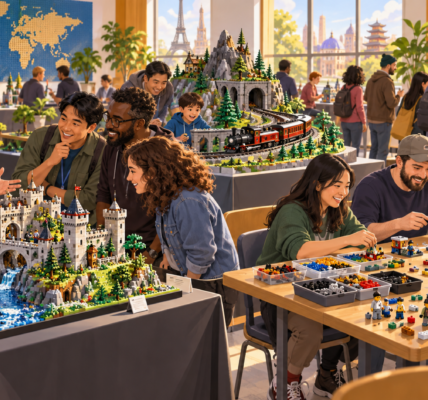
Into classrooms and research programs. Into philanthropy and child-focused initiatives. Into factories, supply chains and environmental targets. Into AFOL communities, LEGO House and workshops where bricks are used not for play, but for strategy, communication and team development.
Because LEGO today is more than a company that sells sets. It is also education, research, philanthropy, community infrastructure, experiences and programs that many buyers may never encounter directly.
Over the coming articles, we will take those pieces apart one by one — the same way we would approach a good build.