
LEGO Still Faces Copyright Claims Over the Queer Eye Jacket After New Court Ruling

The copyright dispute over the jacket reproduced in LEGO 10291 Queer Eye – The Fab 5 Loft is still moving forward. A federal court in Connecticut partially granted and partially denied LEGO’s motion for summary judgment. The main copyright claims remain in the case, while the trade dress claim has been dismissed.
That distinction matters. The court has not made a final finding that LEGO infringed James Concannon’s copyright, and it has not awarded damages. Instead, it found that key copyright issues cannot be resolved at this stage without further proceedings.
Where the jacket came from
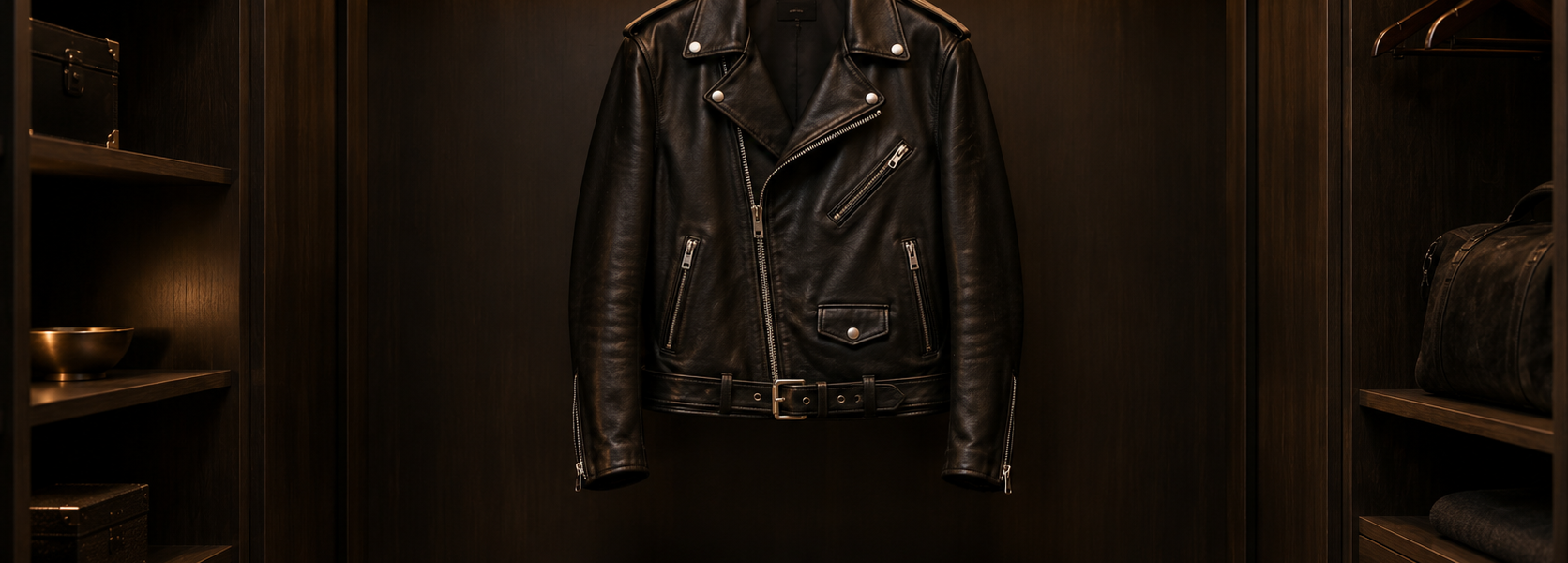
James Concannon is an American artist and designer known for hand-painted clothing. In 2018, he created a black leather jacket for Queer Eye star Antoni Porowski, decorated with his own artwork and distinctive lettering.
According to the case record, other Concannon garments that appeared on Queer Eye had previously been cleared through releases. The disputed jacket also appeared on screen, but Concannon says he never granted a separate license allowing LEGO to reproduce his artwork in a commercial product.
How the design reached the LEGO set
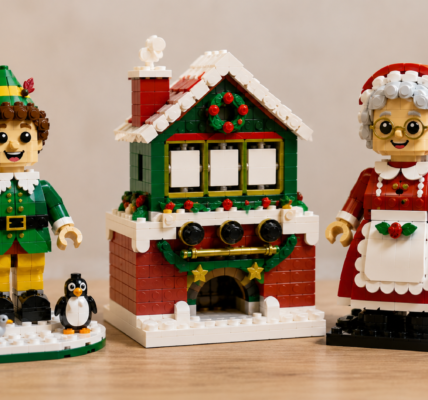
LEGO obtained licensing rights connected to Queer Eye and produced a set based on the show and its cast. Antoni Porowski’s minifigure included an alternate torso styled as a black leather jacket with white graphic elements.
Concannon argues that the torso reproduces protected elements of his jacket design. He also maintains that he was not involved in the LEGO product-development process and never authorized the use of his specific artwork.
A license to a show is not automatically a license to everything visible in it
This is the broader issue that makes the case important beyond one retired LEGO set.
A company may have rights to use a television property, character names and a performer’s likeness, while separate works visible in the source material may still belong to third parties. Those works can include clothing graphics, paintings, jewelry designs, tattoos or other visual art.
That means the licensing chain can be more complicated than simply obtaining permission from the studio or rights holder behind the show. If a product reproduces a specific third-party work, separate rights may still matter.
The implied-license argument
LEGO argued that the circumstances supported an implied license. Because Concannon gave the jacket to a public figure and knew Porowski could wear it in photographs and media appearances, LEGO argued that the permitted use was broader than Concannon now claims.
The court did not find that argument sufficient to end the copyright case at summary judgment. Earlier in the litigation, it had already distinguished between allowing someone to wear and display a work publicly and allowing a separate company to copy that design into a new product for sale.
That distinction is central to the dispute. Permission to display a work and permission to reproduce it commercially are not necessarily the same right.
Fair use did not end the case either
LEGO also raised fair use, the US doctrine that can allow certain unauthorized uses of copyrighted works.
The court did not hold that fair use conclusively protects the minifigure torso at this stage. Questions remain about the similarity between the works, the purpose of the reproduction and whether the LEGO version is sufficiently transformative.
Again, this is not a final ruling that fair use fails. It means the argument was not strong enough to eliminate the principal copyright claims on summary judgment.
What remains and what was dismissed
| Claim | Status after the ruling |
|---|---|
| Direct copyright infringement | Remains in the case |
| Contributory copyright infringement | Remains in the case |
| Vicarious copyright infringement | Remains in the case |
| Trade dress | Dismissed |
| CUTPA | Remains in the case |
So describing the ruling simply as “LEGO lost” would be inaccurate. LEGO failed to dispose of the main copyright claims, but it did win dismissal of the trade dress count.
Why the trade dress claim failed
The trade dress theory focused on whether Concannon’s visual style could function as an indicator of source and whether consumers might believe he was connected to or endorsed the minifigure jacket.
The court found the record insufficient to support a reasonable conclusion that buyers would treat Concannon as the source or sponsor of the minifigure clothing. That portion of the case was therefore resolved in LEGO’s favor.
Why this matters for licensed products
The wider significance is the complexity of rights clearance in entertainment merchandise.
A licensee may have broad rights to a franchise and its performers, but that does not automatically settle ownership of every creative element reproduced from the screen. Third-party works embedded in costumes, props or set dressing can create a separate layer of rights.
For companies developing licensed products, the practical lesson is straightforward: the master license may not be the end of the clearance process if the final product reproduces an independently protected work.
What happens next
The case is not over. Following the latest ruling, the parties are expected to tell the court whether they will return to settlement discussions or propose a schedule for further proceedings and trial.
For now, the main copyright claims remain unresolved, the trade dress claim is gone, and LEGO’s ultimate liability has not been decided.
The key takeaway: the dispute illustrates why entertainment licensing can become complicated when a product recreates not only a show or a celebrity likeness, but also artwork owned by someone outside the main licensing deal.