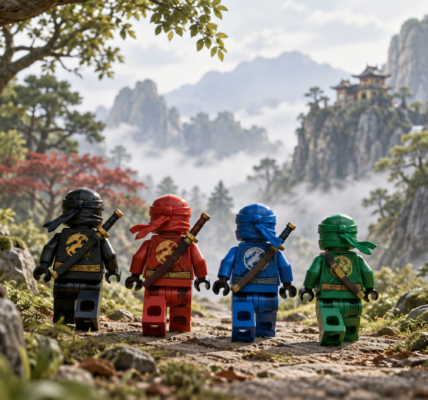

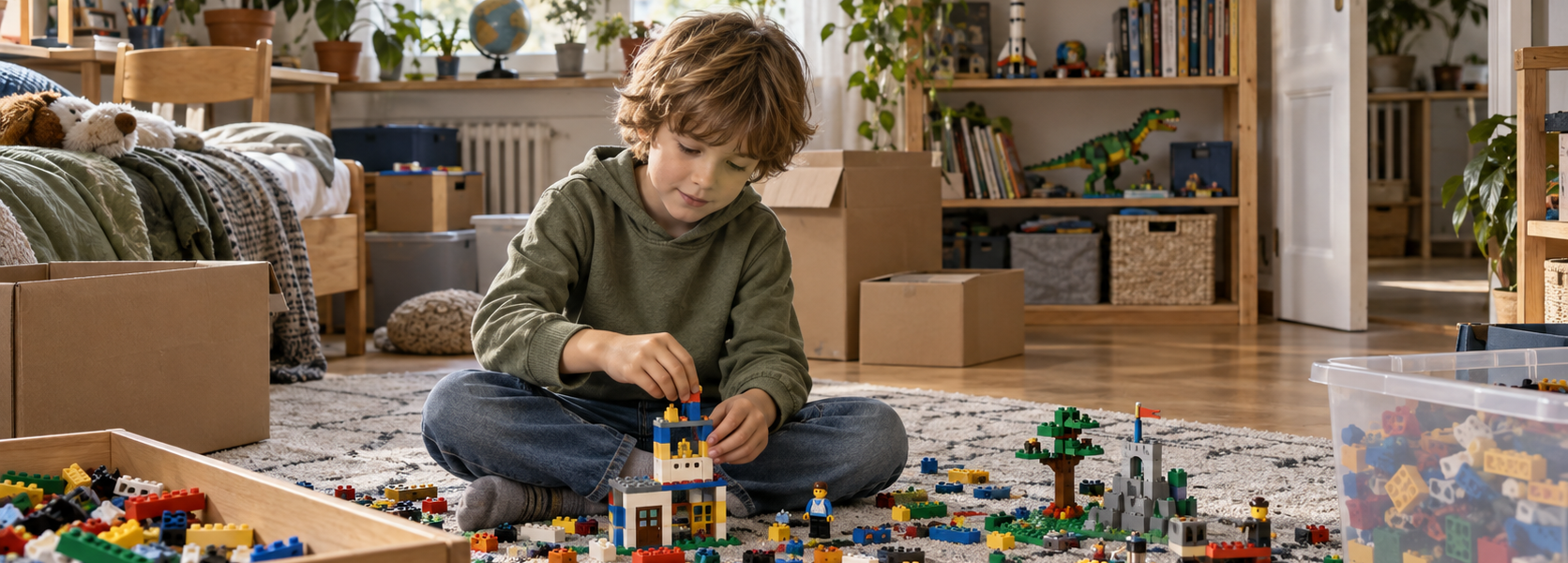

LEGO is using one of the most recognisable characters from its early history to talk about something much less nostalgic: durability. The classic Knight from the 1978 Yellow Castle appears in the Built for Tomorrow campaign announced on September 3, 2026, but this is not a teaser for a new Castle set. Instead, LEGO is positioning the long life of its bricks as part of its broader sustainability story.
Durability is the message
The central idea is simple: LEGO elements are designed to be taken apart, rebuilt and reused repeatedly, often across many years and between different owners. That product longevity is being presented as an environmental advantage in its own right, alongside changes to materials, packaging and energy use.
LEGO supports the campaign with findings from its 2026 Play Well Study. According to the company, 74% of adults surveyed believe products should be designed to last and be reused. The study covered 45,000 respondents across 30 markets and was conducted between December 2025 and January 2026.
The numbers behind the campaign
The campaign also gives LEGO another opportunity to point to recent progress in its materials strategy. In its 2025 full-year results, the company said it increased spending on sustainability initiatives by 20% compared with 2024. It also reported that the estimated average share of renewable and recycled sources attributed to materials purchased for brick production rose to 52%, up from 33% a year earlier.
That 52% figure is important, but it is easy to misunderstand.
Why 52% does not mean every brick is 52% renewable
A significant part of LEGO’s progress comes through the mass balance approach. In 2025, 60% of the resin purchased by LEGO was certified under mass balance systems.
Mass balance allows renewable and fossil-based feedstocks to be combined within a supplier’s production system, while certified renewable input is allocated to customers through accounting. LEGO itself explains that this does not guarantee a specific percentage of renewable material in any individual brick.
That distinction matters. The 52% figure is best understood as an attributed share across purchased materials, not as a literal recipe for a typical LEGO element.
Some materials are physically traceable
LEGO is also using materials where renewable or recycled content can be tied more directly to specific applications. The company has highlighted examples including selected transparent elements using material derived from artificial-marble waste and flexible botanical-style elements made using a bio-based feedstock from Brazilian sugar cane.
Why the Knight works
The classic Knight is more than a nostalgia play. A character associated with a set from 1978 makes the campaign’s durability argument instantly understandable: old LEGO elements still exist in collections, still connect with current pieces and can still be used in new builds.
That is a stronger and more distinctive message than simply promising a future material breakthrough. It also avoids pretending that material sourcing alone tells the whole sustainability story. Product lifespan, reuse, emissions, packaging and manufacturing all sit alongside one another.
For that reason, Built for Tomorrow is most interesting when treated as a positioning campaign rather than a product announcement. LEGO is effectively arguing that the longevity of the system itself is part of what makes the product more sustainable — while its own data shows why the details behind headline percentages still deserve scrutiny.