
Fan Creator Summit 2026: LEGO Is Rewriting How It Works with Fan Media and Creators

Fan Creator Summit 2026 is taking place in Billund this week, continuing an event previously known as Fan Media Days. The name change may sound minor, but it reflects a much bigger shift in how LEGO describes and organizes its relationship with fan-made content.
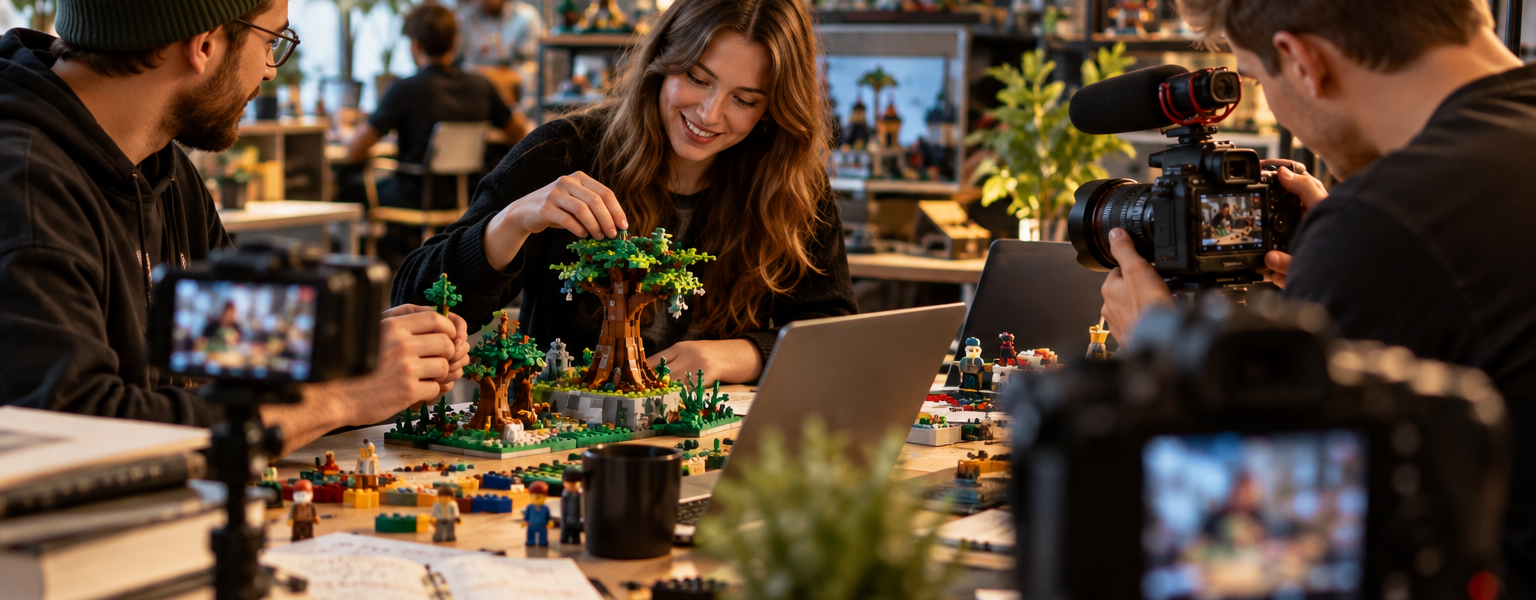
For years, the center of that relationship was easy to understand: recognized fan media meant blogs, websites, forums and specialist news outlets. Today, that landscape is much broader. A single creator may publish long-form articles, YouTube reviews, short-form video, podcasts, livestreams and social content across several platforms.
That is why “Fan Creator” now says more than “Fan Media.”
Fan Media Days belonged to an earlier internet model
Fan Media Days grew out of a period when fan publishing was easier to categorize. A blog was a blog, a forum was a forum, and a YouTube channel was usually a separate thing.
LEGO invited recognized fan media to Billund, gave them access to designers, presentations and product discussions, and gained a direct line into highly engaged AFOL communities around the world.
That structure still has value, but the boundaries between media formats have largely disappeared.
The creator label fits the modern ecosystem better
A creator today may run a traditional website, but they may just as easily build most of their audience through YouTube Shorts, Instagram Reels, TikTok or a podcast feed.
For LEGO, the important factor is increasingly the relationship between creator and audience rather than the format used to publish.
The move from Recognised LEGO Fan Media toward a broader Recognised LEGO Fan Creator model reflects that change.
LEGO Ambassador Network is also becoming Fan CoLab
The shift is not limited to one event name.
LEGO is also transitioning its long-running Ambassador Network toward Fan CoLab, a broader framework designed to connect fan communities, creators and events.
From the outside, this may look like rebranding. For creators and recognized fan groups, the more important questions are practical: how access works, how communication is structured and which kinds of community activity are supported.
What happens at Fan Creator Summit
This year’s event in Billund includes meetings with designers, product-related presentations and activities connected with locations such as LEGO House and LEGOLAND, according to participant reporting.
Creators may also receive previews of material or products that have not yet been publicly revealed, subject to embargoes and confidentiality rules.
That access is one of the main reasons the creator program matters.
LEGO gains a direct route into highly engaged communities
The value for LEGO is obvious.
Fan creators reach audiences that already understand the brand in detail. They know themes, designers, parts, retired products, collecting culture and the secondary market in ways that traditional advertising often does not.
That makes creator coverage potentially more trusted and more useful than a conventional campaign.
Creators also provide feedback. They see which questions keep returning, what generates excitement and where the community is skeptical.
Creators gain access — but independence becomes more important
This is the most interesting tension in the entire model.
A creator may gain access to designers, early product information, events and experiences that ordinary fans cannot reach directly. That can improve the quality and depth of their work.
At the same time, the closer the relationship with the brand becomes, the more important editorial independence and disclosure become.
Can a creator still criticize a set after being invited to Billund? Do they clearly disclose free products, travel support, access or other forms of partnership? Does the audience understand where independent opinion ends and brand-supported access begins?
This is a creator-economy problem, not just a LEGO problem
The same questions exist across technology, gaming, automotive, fashion and entertainment.
Brands increasingly work directly with creators instead of relying only on traditional media.
LEGO is operating in the same environment — with one important difference: many fan creators grow out of tight hobby communities where trust is built around being “one of us.”
A Fan Creator is not automatically an advertising influencer
That distinction matters.
Participation in a recognized fan program does not automatically mean paid promotion, and not every invited creator works as a commercial influencer.
A recognized creator can still run an independent editorial outlet or community while participating in official fan programs.
The key is transparency: clearly explaining what access, products or support were provided.
Moving from “media” to “creator” may also change who gets access
Traditional fan media was relatively easy to evaluate. It published articles, news, reviews and editorial coverage through a recognizable structure.
Creator ecosystems are more varied. Reach, consistency, audience engagement, video quality and community activity may all matter alongside traditional editorial output.
That can open the program to people who would never have fit the old “fan media” label, but it also requires LEGO to evaluate quality and credibility in new ways.
Fan CoLab could connect creators and fan groups more directly
Another important possibility is stronger integration between different parts of the fan ecosystem.
A blogger, YouTuber, local LUG and event organizer do not need to operate in separate silos. A shared framework can make collaboration, information sharing and large community projects easier.
For LEGO, that creates a more organized relationship with global fandom. For fans, it may make cross-community initiatives easier to coordinate.
Fan Creator Summit reflects how the fan internet has changed
The most interesting thing about the 2026 summit is not the Billund itinerary itself.
It is the language LEGO now uses for the people on the other side of the relationship.
“Media” implied an editorial outlet. “Creator” is broader: it can mean a blogger, filmmaker, podcaster, streamer, photographer or community builder.
LEGO is adapting its fan program to the way online culture actually works now.
Trust will be the most important part of the new model
Access to a brand is not automatically a problem. It can make fan coverage more informed and more useful.
The real issue is whether audiences understand how that access was obtained and whether creators remain free to publish criticism when it is warranted.
If disclosure remains clear and critical opinions remain acceptable, the Fan Creator model can work very well.
If the boundary between independent creator and promotional channel becomes invisible, communities will notice quickly.
That is why Fan Creator Summit 2026 matters beyond one event. It shows how one of the world’s largest toy brands is adapting to an internet where fan, media outlet and creator are increasingly the same person.